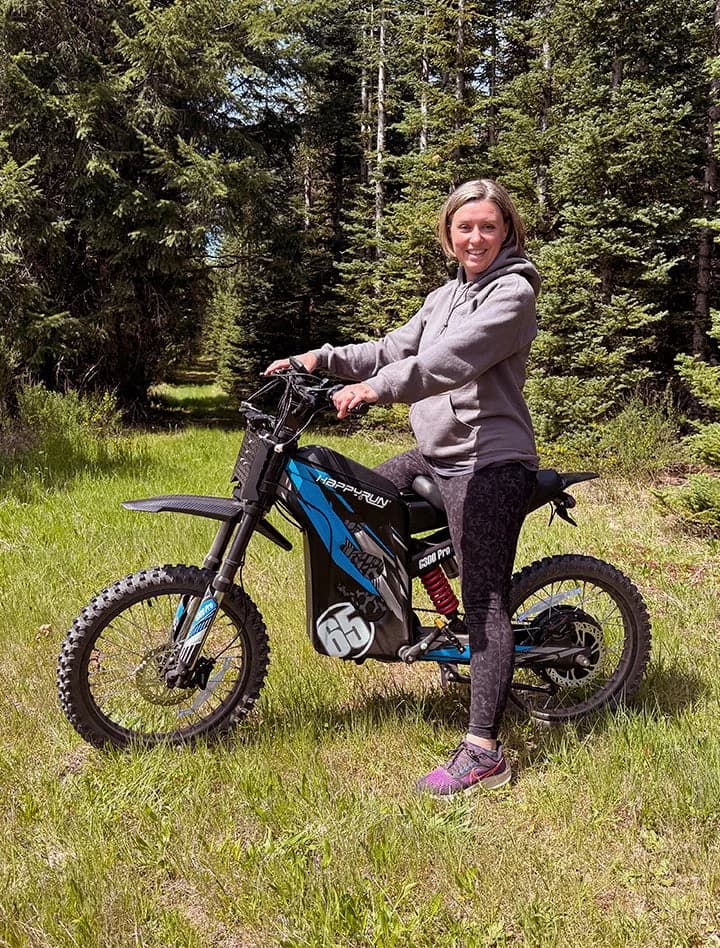
Electric Dirt Bike vs Gas Dirt Bike: Pros, Cons & Which Is Right for You?
The electric vs gas dirt bike debate isn't close — electric has won on almost every metric that matters. Here's our detailed breakdown of pros, cons, and which type is right for your riding style.
HappyRun G300 Review Team
Updated 2026-07-19
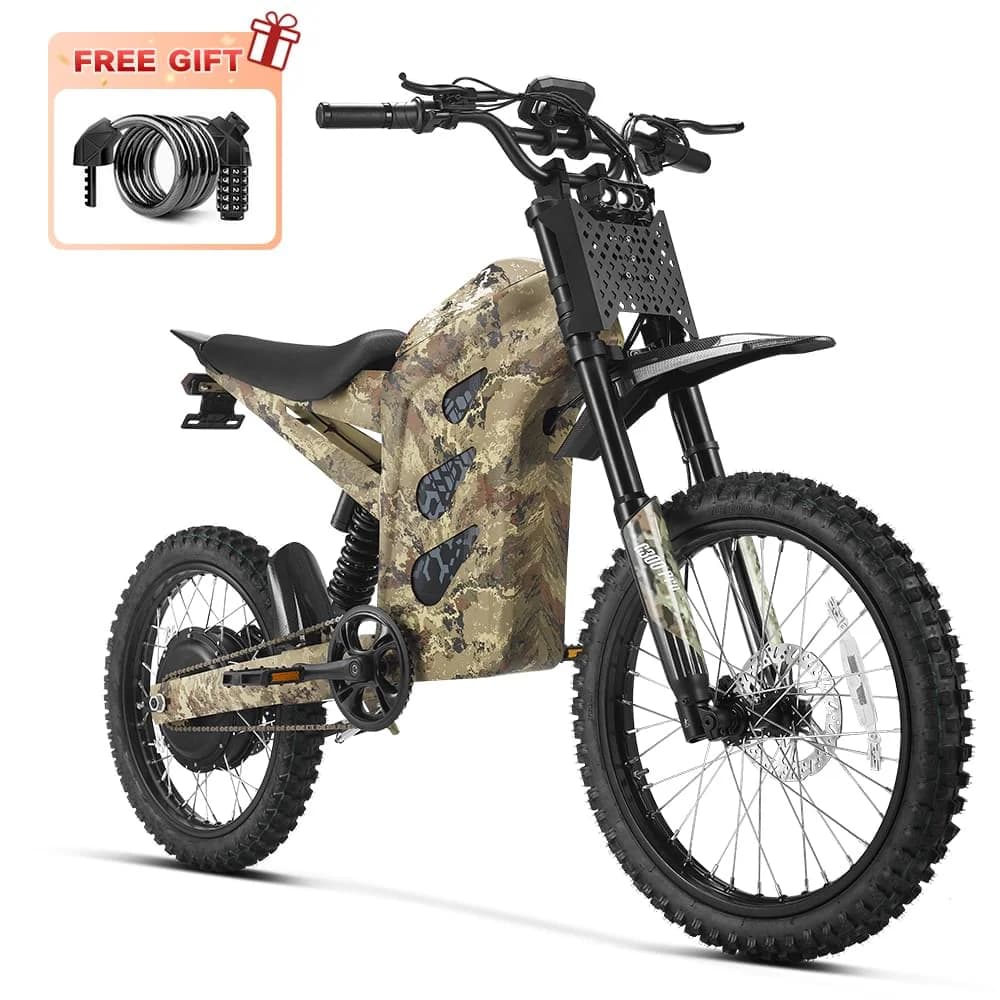
Introduction
The dirt bike world is undergoing a quiet revolution. Electric dirt bikes have gone from niche novelties to serious performance machines capable of matching or beating their gas counterparts. But the transition isn't without trade-offs.
In this guide, we compare electric and gas dirt bikes across every metric that matters — power, maintenance, cost, noise, and overall experience.
Electric vs Gas: The Big Picture
The Case for Electric
Instant Torque
Electric motors deliver maximum torque from zero RPM. Twist the throttle and the bike lurches forward instantly. Gas engines need to rev up to their power band, which takes time and skill. For beginners and experienced riders alike, instant torque makes electric bikes more fun and more responsive.
Lower Maintenance
An electric dirt bike has roughly 20 moving parts in its drivetrain. A gas dirt bike has hundreds. No oil changes, no valve adjustments, no carburetor cleaning, no exhaust systems to rust, no spark plugs to gap. For riders who want to spend more time riding and less time in the garage, electric is the clear winner.
Quiet Operation
At 65-70 dB, an electric dirt bike is about as loud as a conversation. A gas dirt bike produces 95-100 dB — loud enough to cause hearing damage without protection, and annoying enough to get you banned from many trail systems. Electric bikes open doors to more riding locations.
Lower Operating Cost
Electricity costs roughly $0.13/kWh in the US. Charging a 2.16 kWh battery (72V 30Ah) costs about $0.28 per full charge. At 50 miles per charge, that's $0.006 per mile. A gas bike getting 50 MPG at $4/gallon costs $0.08 per mile — over 10x more.
The Case for Gas
Refueling Speed
5 minutes at a gas station vs. 2.5-8 hours of charging. If you're doing all-day trail rides with multiple fill-ups, gas still wins on convenience.
Range
A full tank of gas in a 250cc dirt bike delivers 100+ miles of mixed riding. The G300 Pro delivers 40-55 miles in real-world mixed use. For riders who do weekend trail marathons without charging access, gas has the advantage.
Weight
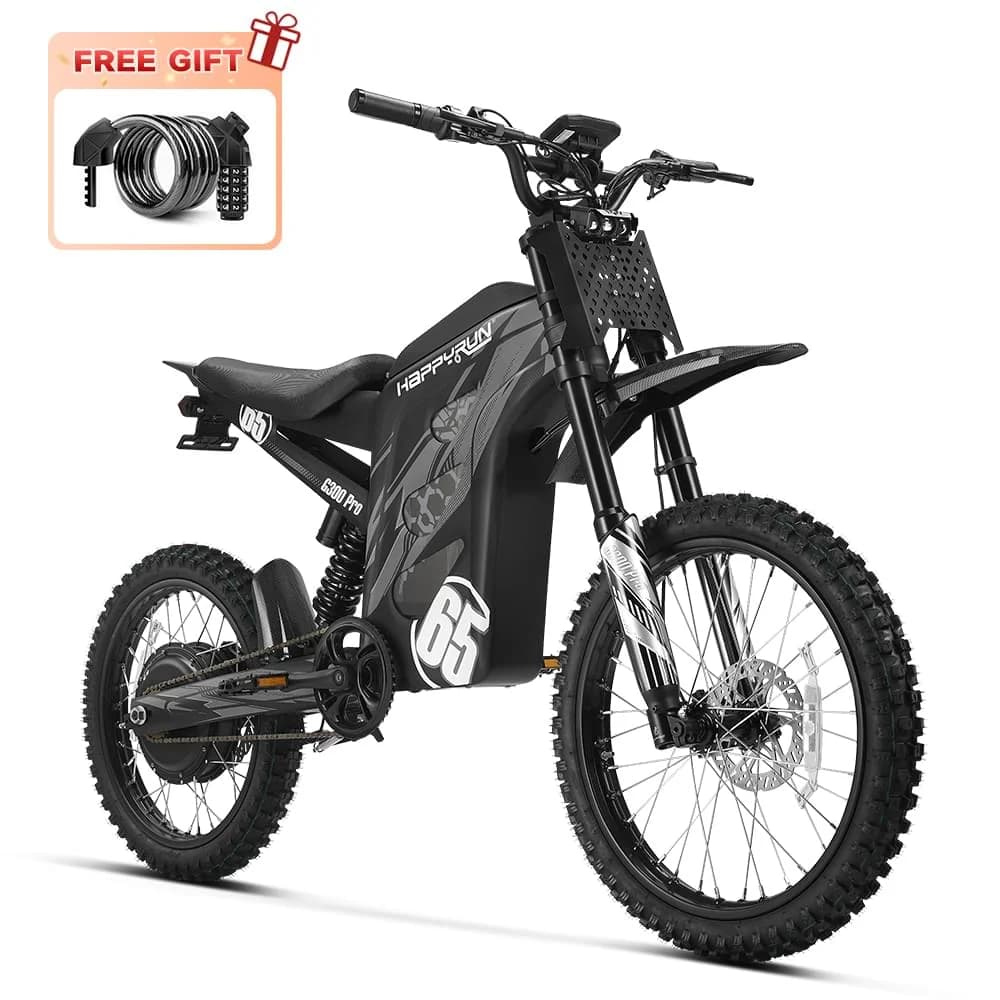
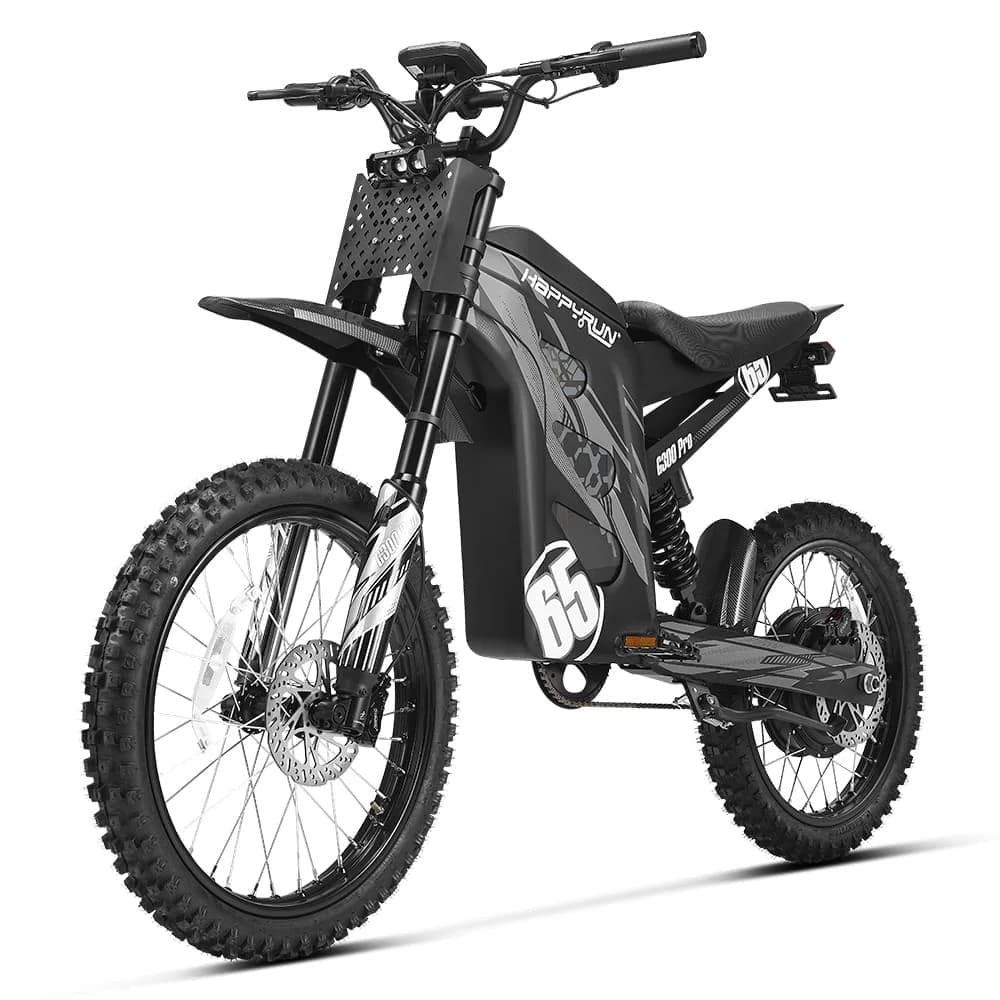
The G300 Pro's 136.8 lbs includes a 30lb battery pack. A comparable 250cc gas dirt bike weighs 110-120 lbs. That 20+ lb difference is noticeable when picking the bike up after a fall or loading it onto a rack.
Cold Weather
Lithium batteries lose 20-30% of their capacity in freezing temperatures. Gas engines, while harder to start in the cold, don't suffer the same performance degradation once running.
Which Is Right for You?
Choose electric if:
Choose gas if:
Our Recommendation
For the vast majority of riders in 2026, electric is the right choice. The technology has matured to the point where an electric dirt bike like the HappyRun G300 Pro delivers comparable performance to a gas bike at a lower total cost of ownership — with the added benefits of silence, simplicity, and environmental friendliness.
The remaining gas advantages (refueling speed, cold-weather range) matter for a small subset of riders who push their bikes to the limit on all-day adventures. For everyone else, electric isn't just the future — it's the better present.
[Explore Electric Dirt Bikes →](https://amzn.to/4vDDLBR)
| Factor | Electric | Gas |
|---|---|---|
| Power Delivery | Instant torque, 100% at 0 RPM | Builds with RPM, needs revs |
| Maintenance | Minimal (no oil, no valves, no carb) | Regular (oil changes, air filters, spark plugs) |
|---|---|---|
| Operating Cost | $0.03-0.05/mile (electricity) | $0.15-0.30/mile (gas + oil) |
| Noise | Nearly silent | Very loud (90-100 dB) |
|---|---|---|
| Weight | Heavier (battery pack) | Lighter (gas tank + engine) |
| Refueling | 2.5-8 hours (charging) | 5 minutes (gas station) |
|---|---|---|
| Range | 30-75 miles (battery dependent) | 100+ miles (tank dependent) |
| Cold Weather | Range drops 20-30% | Minimal impact |
|---|---|---|
| Long-Term Cost | Battery replacement every 3-5 years ($500-800) | Engine rebuilds every 5-10 years ($800-1500) |
Ready to Experience the G300 Pro?
Join thousands of riders who chose the G300 Pro. Free shipping, 14-day trial, 2-year warranty.
Related Articles
In-depth reviews, comparisons, and buying guides to help you make the right choice.