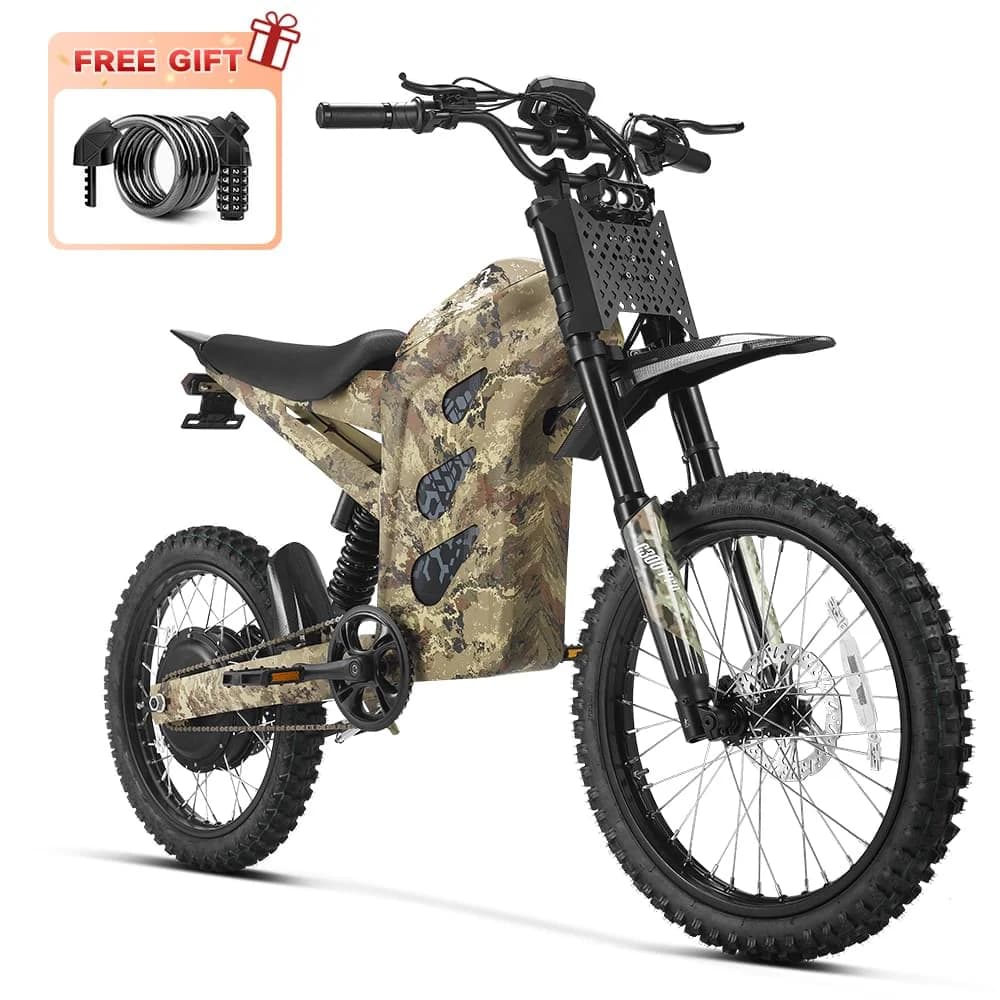
Electric Dirt Bike Maintenance: The Complete Care Guide for 2026
Electric dirt bikes are famously low-maintenance, but they still need care. This guide covers everything from battery maintenance to brake bleeding, tire care to drivetrain lubrication.
HappyRun G300 Review Team
Updated 2026-07-19

Introduction
One of the biggest selling points of electric dirt bikes is their simplicity. No oil changes, no spark plugs, no carburetor tuning, no exhaust systems to rust. But "low maintenance" doesn't mean "no maintenance."
Proper care will extend your bike's lifespan, maintain performance, and prevent costly repairs. This guide covers every maintenance task you should know, organized by frequency.
Maintenance Schedule at a Glance
Battery Care
The battery is the most expensive component on your electric dirt bike. Treat it well and it'll last 3-5 years. Neglect it and you'll be paying $500-800 for a replacement sooner.
Charging Best Practices
Storage
If storing for more than a month:
Drivetrain Maintenance
Chain
The chain is the most wear-prone component on any dirt bike — electric or gas.
Sprockets
Inspect sprockets every 3 months. Look for:
Replace sprockets in pairs (front and rear together) for even wear.
Brake Maintenance
Pad Inspection
Check brake pads every month. On the G300 Pro, you can see the pad thickness through the caliper window. Replace when pads reach 1-2mm thickness.
Brake Fluid
Hydraulic brakes (like the G300 Pro's) use DOT fluid that absorbs moisture over time:
Rotor Maintenance
Inspect rotors for:
Tire Care
Pressure
Check tire pressure before every ride. The G300 Pro's recommended pressures are:
Lower pressures = more grip off-road but higher risk of pinch flats.
Higher pressures = less rolling resistance on pavement but less traction on dirt.
Tread Inspection
Replace tires when:
Suspension
Fork
The G300 Pro's adjustable front fork requires periodic maintenance:
Rear Shock
Electrical System
Display & Wiring
Fuses
Locate your main fuse (typically near the battery or controller) and check it monthly. Carry spare fuses on every ride.
Fasteners & Torque
Vibrations from off-road riding will loosen bolts over time. Perform a full torque check:
Keep a torque wrench in your toolkit. Never guess.
Cleaning
Winter Storage
Cold temperatures are hard on lithium batteries:
Troubleshooting Common Issues
Conclusion
Electric dirt bikes are genuinely low-maintenance compared to gas bikes, but they're not zero-maintenance. A regular care routine — battery management, chain lubrication, brake inspection, and bolt torque checks — will keep your G300 Pro running strong for years.
At $1,899 with a 2-year warranty, the G300 Pro is already an exceptional value. A few minutes of maintenance every month is a small price to pay to protect that investment.
[Get Your G300 Pro →](https://amzn.to/4vDDLBR)
| Frequency | Tasks |
|---|---|
| Before Every Ride | Tire pressure, brake check, battery secure |
| Weekly | Chain lubrication, bolt torque check |
|---|---|
| Monthly | Brake pad inspection, suspension check, display firmware |
| Every 3 Months | Full bolt torque check, bearing inspection |
|---|---|
| Every 6 Months | Brake fluid flush, battery health check |
| Annually | Full service, fork oil change |
|---|
| Symptom | Likely Cause | Solution |
|---|---|---|
| Reduced range | Cold weather, old battery, aggressive riding | Store battery warm, check battery health, use lower PAS levels |
| Motor stuttering | Loose connector, low battery, controller fault | Check wiring harness, charge battery, contact support |
|---|---|---|
| Brake lever feels soft | Air in lines, worn pads, low fluid | Bleed brakes, inspect pads, top up fluid |
| Chain skipping | Worn chain/sprockets, incorrect tension | Replace chain/sprockets, adjust tension |
|---|---|---|
| Display flickering | Loose connector, water ingress | Check display connector, ensure gasket is sealed |
Ready to Experience the G300 Pro?
Join thousands of riders who chose the G300 Pro. Free shipping, 14-day trial, 2-year warranty.
Related Articles
In-depth reviews, comparisons, and buying guides to help you make the right choice.