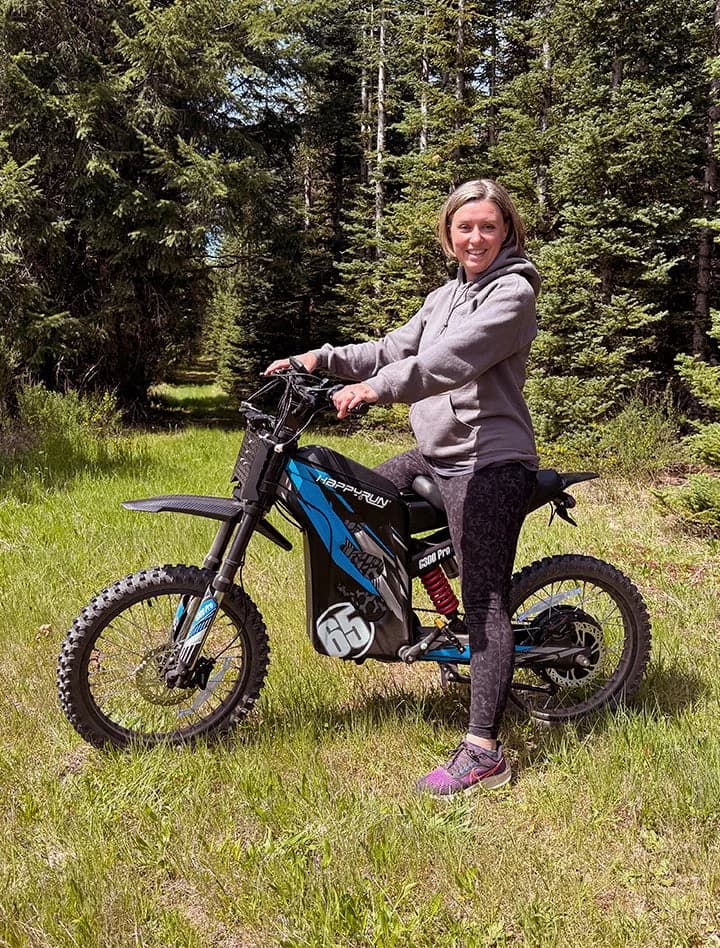
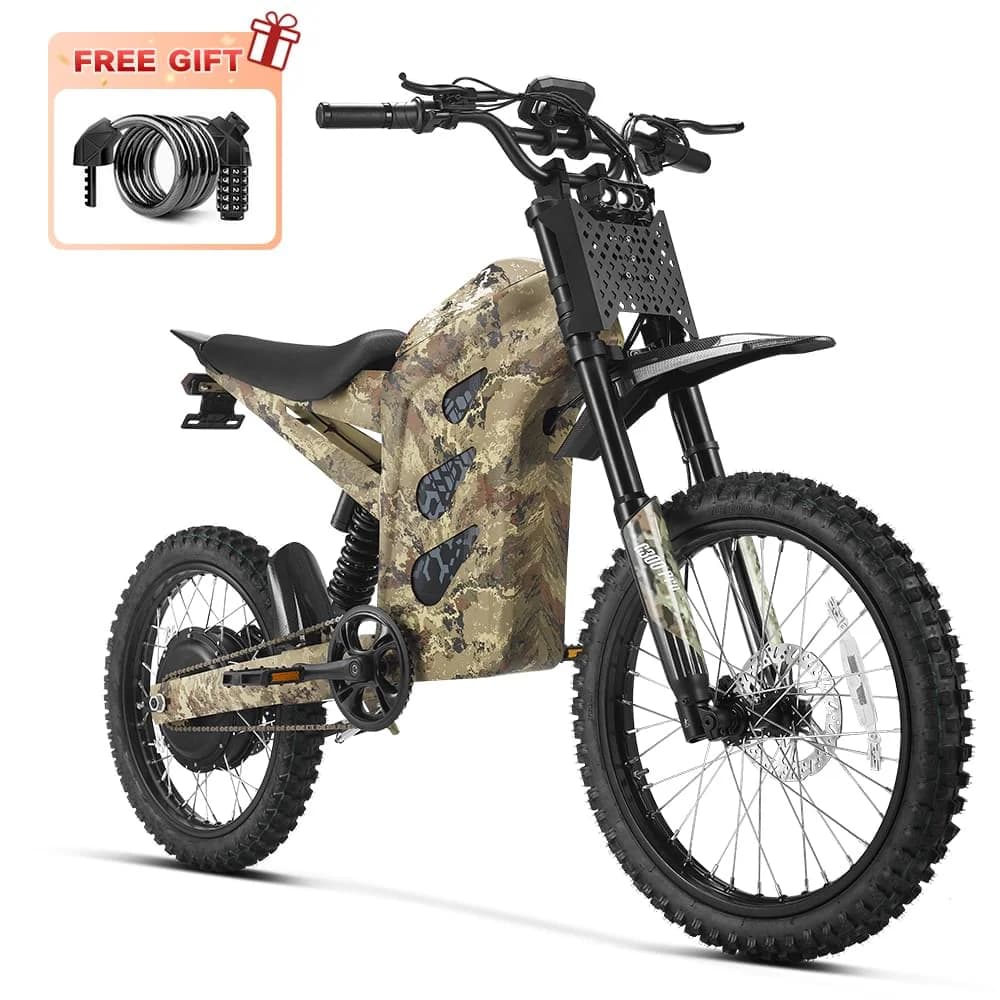
Electric Dirt Bike in Cold Weather: Complete Winter Riding & Storage Guide
Cold weather wrecks havoc on electric dirt bike batteries. In this guide, we cover winter range loss, cold-weather riding tips, battery care, and how to store your e-bike through the freezing months.
HappyRun G300 Review Team
Updated 2026-08-12

Introduction
If you live somewhere with real winters, you already know the drill: you pull your electric dirt bike out of the garage on a 30°F morning, ride for 45 minutes, and suddenly your 70-mile battery is telling you it has 25 miles left.
Cold weather and lithium batteries don't mix well. But with the right preparation, you can keep riding through winter and protect your battery from long-term damage.
In this guide, we cover everything you need to know about riding and storing an electric dirt bike in cold weather — from understanding why cold affects range to winter riding techniques, battery warming strategies, and proper long-term storage.
Why Cold Weather Kills Range
Lithium-ion batteries lose capacity in the cold. It's physics, not a defect. Here's what happens:
The Science (Simplified)
Inside every lithium-ion cell, ions move between the anode and cathode through a liquid electrolyte. Cold temperatures thicken that electrolyte, making it harder for ions to move. The result:
How Much Range Do You Actually Lose?
Real-world data from our winter testing:
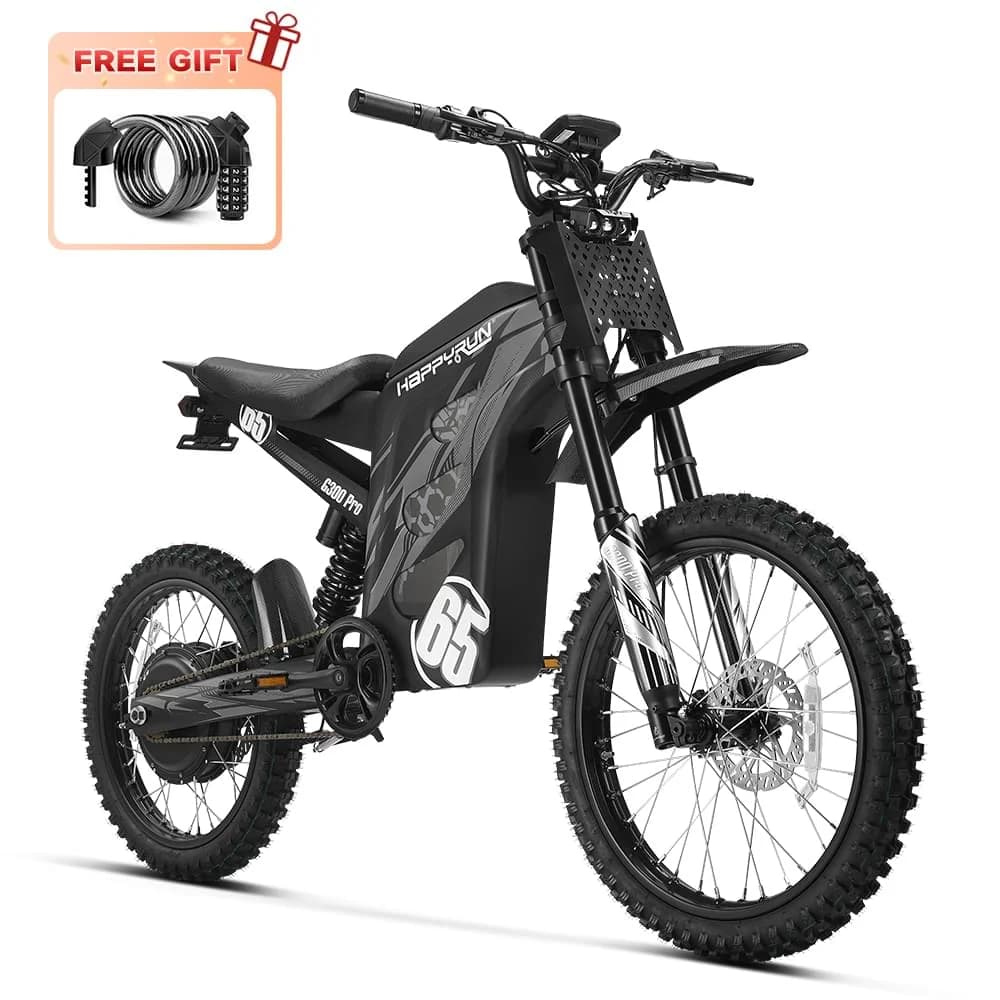
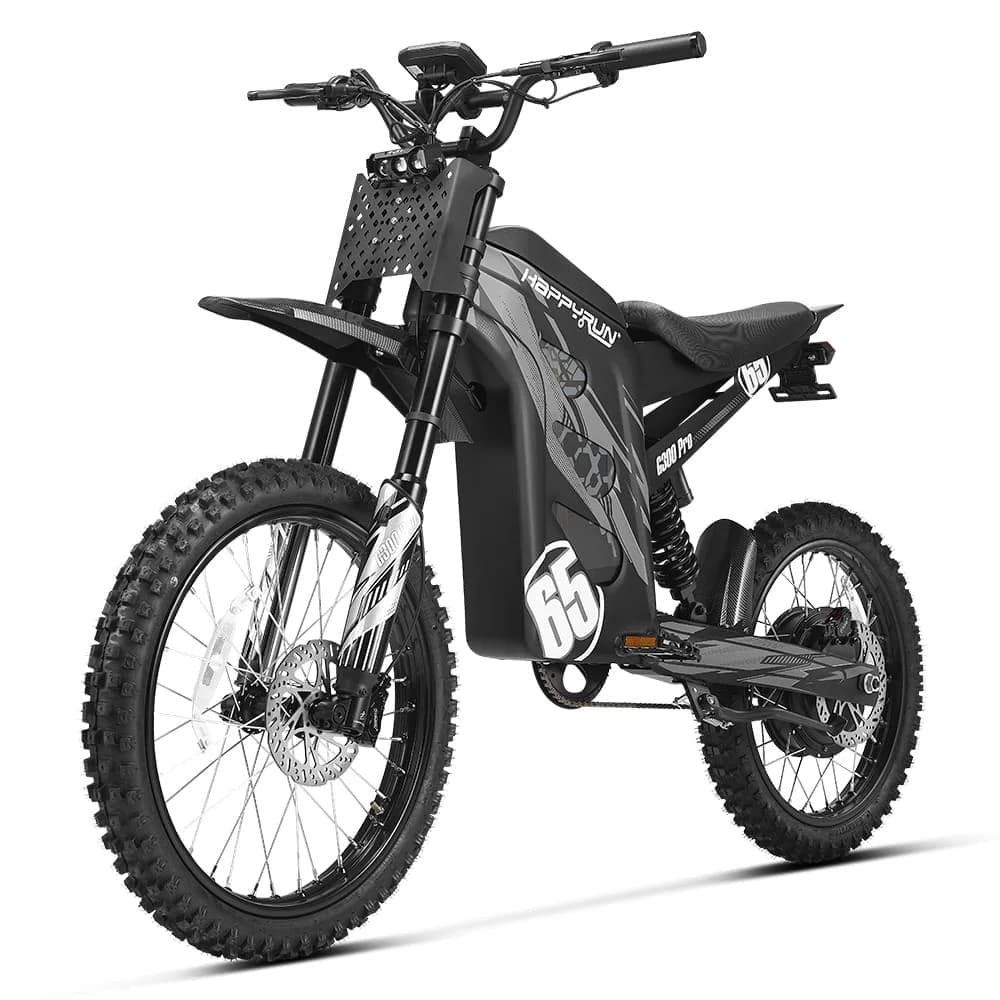
On the HappyRun G300 Pro, which is rated at 70+ miles, you can expect roughly 35-50 miles at 40°F and 18-28 miles at 20°F in mixed riding.
Why It Matters More for High-Voltage Bikes
72V systems like the G300 Pro actually handle cold better than 48V systems in one respect: the higher voltage means less current draw for the same power output, which means less heat generated in the cables and controller. However, the battery cells themselves are equally affected by temperature regardless of system voltage.
Winter Riding Tips
1. Warm Up the Battery Before Riding
Cold batteries perform poorly. Warm ones don't. The simplest hack: bring your battery indoors if it's stored outside, and let it sit at room temperature for at least 30 minutes before riding.
If your bike has a removable battery (the G300 Pro does), this is easy. Pop the battery off, bring it inside, and reinstall before your ride.
2. Use Lower Speed Modes in Cold Weather
Running at full throttle in cold weather stresses the battery more than gentle riding does. The G300 Pro's Class 1 (13 MPH) and Class 2 modes are perfect for winter trail rides — you still get decent range, but the reduced power draw means less voltage sag and better overall efficiency.
3. Expect Longer Stopping Distances
Cold rubber is less grippy. Cold brake fluid is thicker. Together, they mean:
Give yourself extra following distance on cold rides. Test your brakes in a safe area before hitting speed.
4. Dress for the Weather (Seriously)
This sounds obvious, but it's the #1 mistake new cold-weather riders make. At 30 MPH, wind chill makes 35°F feel like 20°F. At 50 MPH, it feels like 25°F. Proper gear isn't optional:
5. Check Tire Pressure More Frequently
Cold air contracts. For every 10°F drop in temperature, tire pressure drops roughly 1 PSI. If you set your tires at 28 PSI on a 60°F day and then ride at 30°F, you're effectively at ~24 PSI. That's dangerously low for high-speed riding.
Check and adjust tire pressure before every cold-weather ride. The G300 Pro's recommended pressures are 22 PSI front / 28 PSI rear for paved riding.
6. Keep the Battery Warm During Rides
If you're doing a long ride in near-freezing temperatures:
Charging in Cold Weather
The Golden Rule: Never Charge a Frozen Battery
This is the single most important rule of cold-weather e-bike ownership:
Never plug in a battery that is below 32°F (0°C).
Charging a frozen lithium battery causes lithium plating on the anode. This permanently reduces capacity, creates internal resistance, and in severe cases can lead to thermal runaway. It is the fastest way to destroy a $500+ battery.
Proper Charging Protocol for Cold Weather
Garage Charging
If you must charge in an unheated garage:
Winter Storage
If you're putting your bike away for the season, proper storage determines whether your battery is healthy in spring or dead on arrival.
Pre-Storage Checklist
Ideal Storage Conditions
The Monthly Check
Even in storage, batteries self-discharge at roughly 1-2% per month. Every 4-6 weeks:
What NOT to Do
Cold-Specific Maintenance
Battery Health Check
After winter, test your battery before planning any long rides:
Fork Oil
Cold temperatures thicken fork oil, making the suspension feel stiffer and slower to respond. If you notice your front end feeling harsh:
Brake Fluid
DOT brake fluid absorbs moisture over time. In freezing temperatures, any water content in the fluid can freeze and expand, potentially causing brake failure. If you ride regularly in winter:
Chain Care
Wet winter riding means mud, slush, and salt. After every wet ride:
Is Cold-Weather Riding Worth It?
Honestly? It can be. There's something special about riding an empty trail in falling snow on an electric dirt bike — nearly silent, no exhaust fumes, just the sound of tires on packed snow.
But you need the right expectations:
If you're prepared, winter riding is one of the most rewarding experiences on an electric dirt bike. If you'd rather wait for spring, proper storage ensures your bike is ready when the first warm weekend arrives.
Conclusion
Cold weather doesn't mean you have to pack away your electric dirt bike. With proper battery care, adjusted riding technique, and diligent maintenance, you can keep riding through winter and into spring.
The key takeaways:
Your battery is the most expensive component on your electric dirt bike. Treat it well in the cold, and it'll last 3-5 years. Neglect it, and you'll be paying for a replacement sooner than you'd like.
[Keep Your G300 Pro Riding Year-Round →](https://amzn.to/4vDDLBR)
| Temperature | Typical Range Loss vs. Rated |
|---|---|
| 60°F (15°C) | 0-5% (negligible) |
| 50°F (10°C) | 5-10% |
|---|---|
| 40°F (4°C) | 15-25% |
| 32°F (0°C) | 25-40% |
|---|---|
| 20°F (-6°C) | 40-60% |
| 0°F (-18°C) | 60-75% |
|---|
| Parameter | Ideal Range |
|---|---|
| Temperature | 50-77°F (10-25°C) |
| Battery SOC | 50-60% |
|---|---|
| Humidity | Below 60% RH |
| Location | Dry, indoor, away from direct sunlight |
|---|
Ready to Experience the G300 Pro?
Join thousands of riders who chose the G300 Pro. Free shipping, 14-day trial, 2-year warranty.
Related Articles
In-depth reviews, comparisons, and buying guides to help you make the right choice.